Thermal Transfer vs Direct Thermal Label Printer : Which One Should You Choose?
Thermal Transfer vs Direct Thermal Label Printer : Which One Should You Choose?
Every jewelry store eventually faces this question when buying a barcode printer: Thermal Transfer or Direct Thermal? Both technologies print labels, but they differ in durability, cost per label, and suitability for high-value items like gold and gemstones. This guide breaks down both systems so you can choose the right printer the first time.
What Is Thermal Transfer?
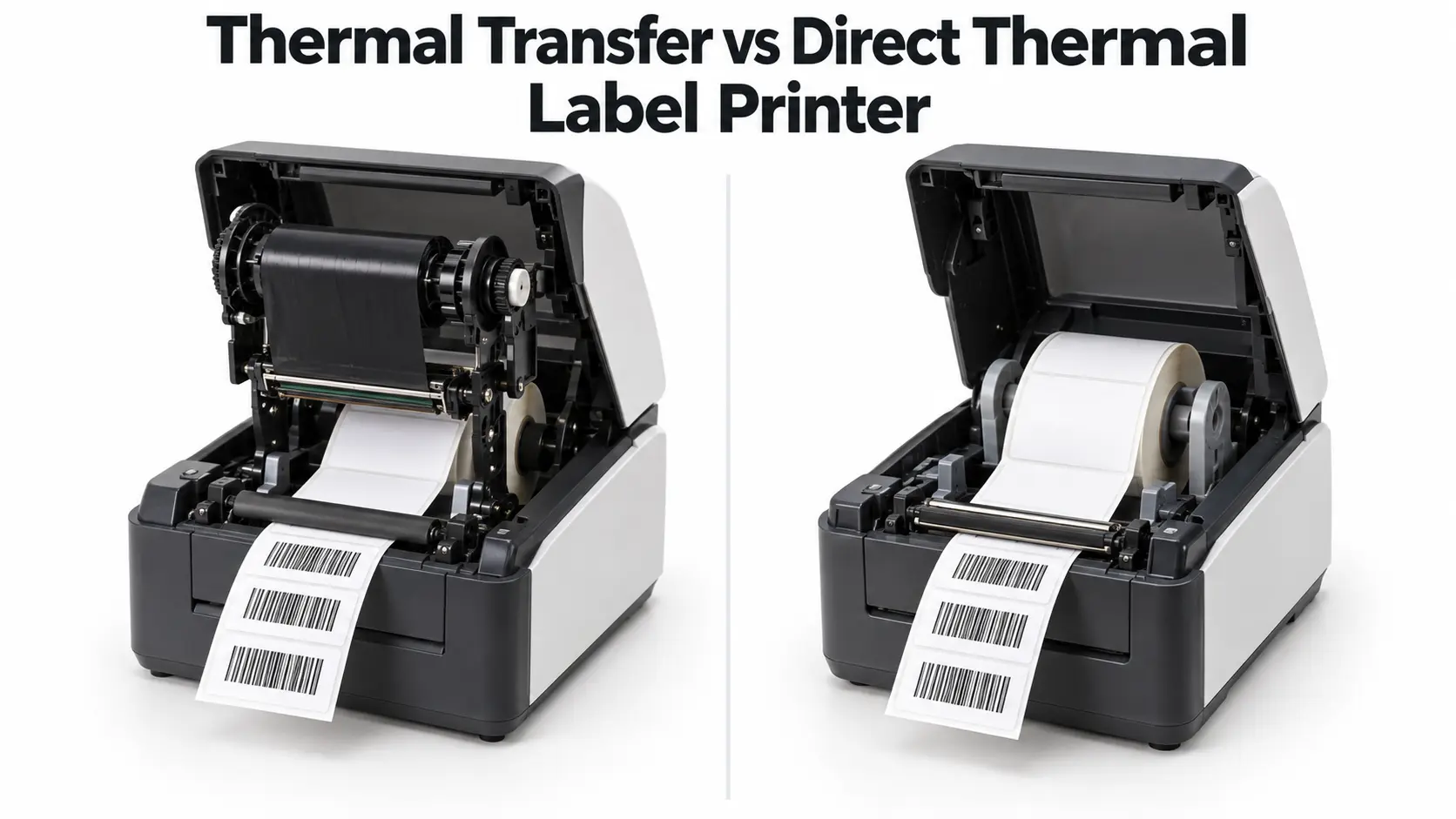
Thermal Transfer printing uses a ribbon to transfer ink onto the label. The printhead heats the ribbon, melting ink onto the label surface, which produces sharp, long-lasting text and barcodes resistant to friction, moisture, sunlight, and chemicals. Ribbons come in several types — Wax, Wax-Resin, and Resin — each offering different levels of durability depending on the application.
What Is Direct Thermal?
Direct Thermal printing uses no ribbon. Instead, the printhead applies heat directly to specially coated, heat-sensitive label stock, which darkens to form text and barcodes. It’s cheaper per label since there’s no ribbon to buy, but labels fade over time when exposed to heat, sunlight, or friction — making it better suited for short-term use.
Key Differences: Thermal Transfer vs Direct Thermal
- Durability: Thermal Transfer labels last for years without fading; Direct Thermal labels typically fade within 6–12 months, especially under sunlight or heat.
- Cost: Direct Thermal has a lower cost per label (no ribbon needed), but Thermal Transfer offers better long-term value once you factor in reprints from faded labels.
- Use case: Direct Thermal suits receipts or short-term tags, while Thermal Transfer suits labels that stay on inventory for extended periods or get scanned repeatedly.
Which One Is Right for Jewelry and Gold Shops?
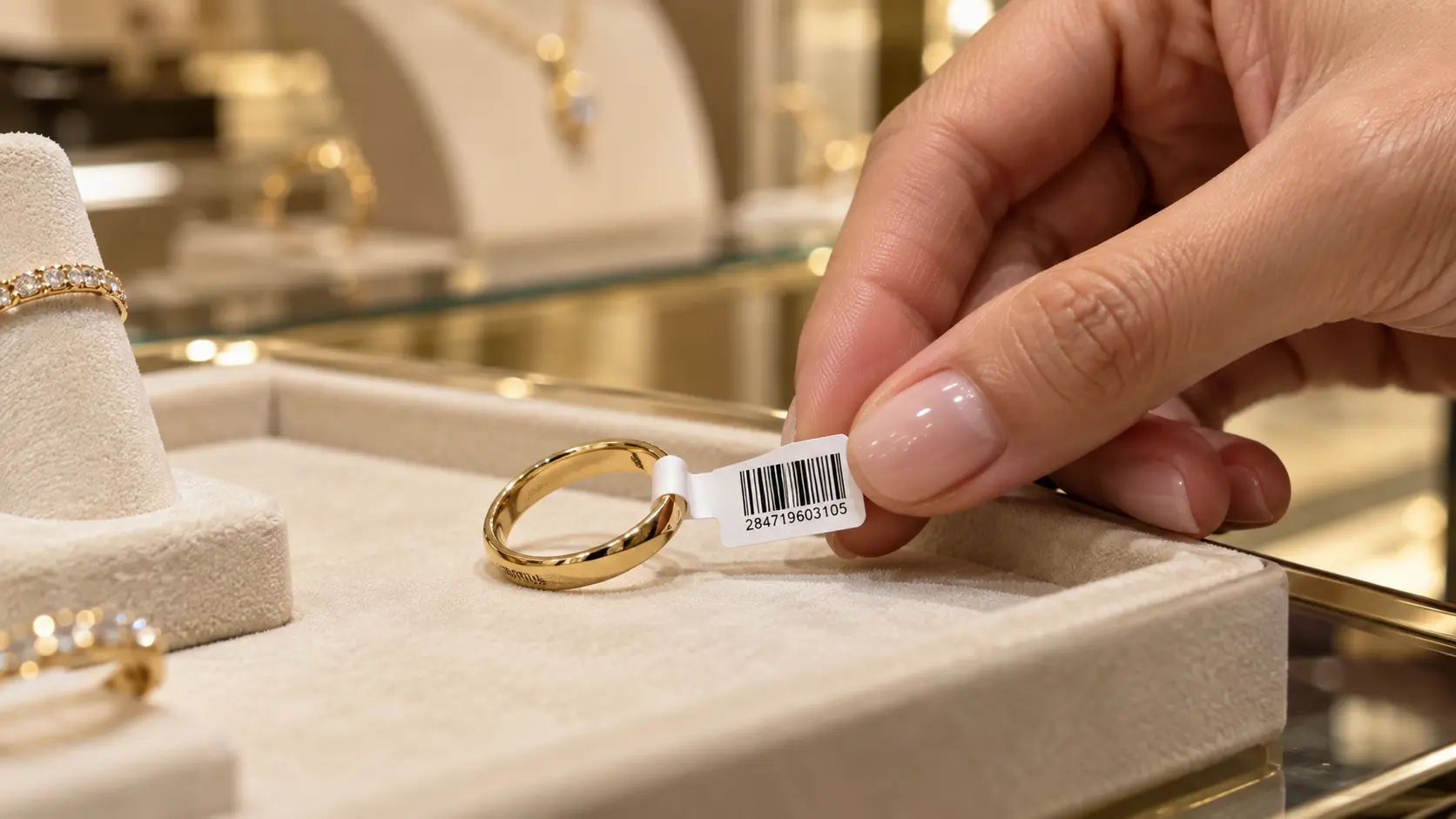
For jewelry and gold retailers, Thermal Transfer is the recommended choice. Jewelry inventory often sits in stock or display cases far longer than typical retail goods, and price tags get handled, tried on, and moved constantly. A faded label means a barcode that won’t scan — hurting stock accuracy and forcing costly reprints. PP Direct Thermal labels may still work for fast-moving or short-term items only.
Conclusion: Which Printer Should You Buy?
If durability matters — and for jewelry price tags and barcodes, it usually does — choose a Thermal Transfer printer paired with the right ribbon: Wax, Wax-Resin, or Resin, depending on your label material. Browse printers that support both technologies on our Barcode Printer for Jewelry page, or read more on Choosing the Right Jewelry Label Material.
FAQ
Q: Can a small jewelry shop get by with Direct Thermal?
A: Yes, if labels won’t stay on products for more than 2–3 months. For long-term stock accuracy, Thermal Transfer pays off.
Q: Which ribbon is best for jewelry labels?
A: Wax-Resin suits standard PP labels needing moderate-to-high durability; Resin suits labels that must withstand chemicals or heavy friction.
Thermal Transfer กับ Direct Thermal เครื่องพิมพ์ป้ายฉลาก แบบไหนเหมาะกับร้านทองของคุณ?
ร้านทองและร้านจิวเวลรี่ทุกร้านต้องเผชิญคำถามนี้ตอนเลือกซื้อเครื่องพิมพ์บาร์โค้ด: ควรใช้เครื่องพิมพ์แบบ Thermal Transfer หรือ Direct Thermal ดี? ทั้งสองแบบพิมพ์ป้ายฉลากได้เหมือนกัน แต่มีความแตกต่างสำคัญที่ส่งผลต่อความคงทนของป้าย ต้นทุนต่อชิ้น และความเหมาะสมกับสินค้าที่มีมูลค่าสูงอย่างทองและเพชรพลอย บทความนี้จะพาไปทำความเข้าใจทั้งสองระบบ เพื่อให้เลือกเครื่องพิมพ์ได้ถูกต้องตั้งแต่ครั้งแรก
Thermal Transfer คืออะไร?
Thermal Transfer เป็นระบบพิมพ์ที่ใช้ ริบบอน (Ribbon) ในการถ่ายโอนหมึกลงบนป้ายฉลาก โดยหัวพิมพ์จะให้ความร้อนละลายหมึกจากริบบอนให้ติดแน่นบนผิวป้าย ทำให้ลวดลาย ตัวอักษร และบาร์โค้ดที่พิมพ์ออกมามีความคมชัดสูงและทนทานต่อการเสียดสี ความชื้น แสงแดด และสารเคมีได้ดีกว่า ริบบอนที่ใช้มีหลายชนิด เช่น Wax, Wax-Resin และ Resin ซึ่งแต่ละชนิดให้ความทนทานต่างกันตามลักษณะการใช้งาน
Direct Thermal คืออะไร?
Direct Thermal เป็นระบบพิมพ์ที่ ไม่ใช้ริบบอน โดยหัวพิมพ์จะให้ความร้อนโดยตรงกับป้ายฉลากชนิดพิเศษที่เคลือบสารไวต่อความร้อน เมื่อโดนความร้อนสารเคลือบจะเปลี่ยนสีจนเกิดเป็นตัวอักษรและบาร์โค้ด ข้อดีคือต้นทุนต่อชิ้นต่ำกว่าเพราะไม่ต้องซื้อริบบอนเพิ่ม แต่ข้อจำกัดคือป้ายจะจางลงเมื่อโดนความร้อน แสงแดด หรือการเสียดสีเป็นเวลานาน จึงเหมาะกับการใช้งานระยะสั้น
ความแตกต่างหลัก: Thermal Transfer vs Direct Thermal
- ความคงทน: Thermal Transfer ทนทานกว่ามาก เก็บได้เป็นปีโดยไม่จาง ส่วน Direct Thermal มักจางภายใน 6 เดือนถึง 1 ปี โดยเฉพาะเมื่อโดนแสงแดดหรือความร้อน
- ต้นทุน: Direct Thermal มีต้นทุนต่อชิ้นต่ำกว่าเพราะไม่ต้องใช้ริบบอน แต่ Thermal Transfer ให้ความคุ้มค่าระยะยาวมากกว่าเมื่อคิดรวมอัตราการพิมพ์ซ้ำจากป้ายที่จาง
- การใช้งาน: Direct Thermal เหมาะกับใบเสร็จหรือป้ายที่ใช้ชั่วคราว ส่วน Thermal Transfer เหมาะกับป้ายที่ต้องติดอยู่กับสินค้านานหรือต้องสแกนบาร์โค้ดซ้ำหลายครั้ง
แบบไหนเหมาะกับร้านทองและร้านจิวเวลรี่?
สำหรับร้านทองและร้านจิวเวลรี่ Thermal Transfer คือตัวเลือกที่แนะนำ เพราะสินค้าจิวเวลรี่มักอยู่ในสต๊อกหรือตู้โชว์เป็นเวลานานกว่าสินค้าทั่วไป ป้ายราคาและป้ายบาร์โค้ดต้องถูกหยิบจับ ลองสวม และเคลื่อนย้ายบ่อยครั้ง หากป้ายจางเร็วจะทำให้สแกนบาร์โค้ดไม่ได้ ส่งผลต่อความแม่นยำของสต๊อกและอาจต้องพิมพ์ป้ายใหม่ซ้ำ ๆ ซึ่งเพิ่มต้นทุนแฝงในระยะยาว ร้านค้าที่ใช้ป้าย PP Direct Thermal อาจเหมาะกับป้ายที่หมุนเวียนเร็วหรือใช้งานระยะสั้นเท่านั้น
เลือกเครื่องพิมพ์แบบไหนดี?
หากเน้นความคงทนของป้ายบาร์โค้ดและป้ายราคาที่ต้องติดอยู่กับสินค้านาน แนะนำให้เลือกเครื่องพิมพ์ Thermal Transfer ร่วมกับริบบอนที่เหมาะสม ไม่ว่าจะเป็น Wax, Wax-Resin หรือ Resin ตามพื้นผิวป้ายที่ใช้ ดูรุ่นเครื่องพิมพ์บาร์โค้ดที่รองรับทั้งสองระบบได้ที่หน้า เครื่องพิมพ์บาร์โค้ดสำหรับร้านทอง หรืออ่านเพิ่มเติมเรื่องการเลือกวัสดุป้ายที่ Choosing the Right Jewelry Label Material
คำถามที่พบบ่อย (FAQ)
Q: ร้านทองขนาดเล็กควรใช้ Direct Thermal ได้ไหม?
A: ได้ หากป้ายไม่ต้องติดอยู่กับสินค้านานเกิน 2-3 เดือน แต่หากเน้นความแม่นยำของสต๊อกระยะยาว Thermal Transfer จะคุ้มค่ากว่า
Q: ริบบอนแบบไหนเหมาะกับป้ายจิวเวลรี่ที่สุด?
A: Wax-Resin เหมาะกับป้าย PP ทั่วไปที่ต้องการความทนทานปานกลางถึงสูง ส่วน Resin เหมาะกับป้ายที่ต้องทนสารเคมีหรือการเสียดสีสูงเป็นพิเศษ